Lời giới thiệu:Các chuỗi sản xuất hiện đại cho pin năng lượng lithium-ion và các yếu tố cấu trúc bền cao đòi hỏi sự sạch sẽ cấu trúc nghiêm ngặt của các chất phụ gia kim loại.Mảng kim loại mangan điện phân EMM được sử dụng trong sản xuất hợp kim thép và ứng dụng pin như vật liệu mangan tinh khiết caogiải quyết những nhu cầu công nghiệp trực tiếp.ZhenAn, nguyên tố siêu tinh khiết này đảm bảo phản ứng dự đoán, tỷ lệ phục hồi nguyên tố cao và ô nhiễm nguyên tố vi lượng thấp trong các quy trình kim loại và kim loại quan trọng.
Cấu hình vật lý của các mảnh kim loại mangan điện phân là gì EMM được sử dụng trong sản xuất hợp kim thép và ứng dụng pin như vật liệu mangan tinh khiết cao?
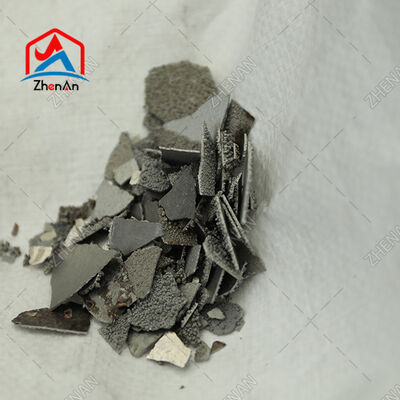
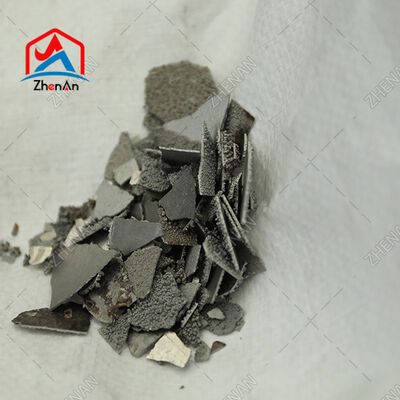
Trong các mạng lưới cung cấp công nghiệp công nghệ cao,Mảng kim loại mangan điện phân EMM được sử dụng trong sản xuất hợp kim thép và ứng dụng pin như vật liệu mangan tinh khiết caođược định nghĩa là một sản phẩm nguyên tố tinh chế được tạo ra thông qua hòa tan hóa học và electrodeposition.Mangan phân điện thạchcó một hồ sơ tấm không đều, phẳng. Nó hiển thị hai kết cấu khác nhau: một kết thúc bạc tinh thể sáng, nơi nó lắng đọng trên tấm cathode, và một màu mờ,bề mặt màu xám mờ thô ở mặt sau.
Bằng cách tránh nấu chảy nhiệt cung cacbon, vật liệu duy trì một xác minhMn 99,7% tối thiểuCác nhà máy sản xuất toàn cầu ưu tiênLớp mangan tinh khiết caobởi vì chúng ngăn chặn sự xuất hiện của sắt, silicon và carbon, làm cho chúng trở thành một sự lựa chọn tuyệt vời cho thép sạch và các hóa chất tiền thân của pin lithium-ion.
Làm thế nào Hydrometallurgical Electrowinning chuyển đổi khoáng sản thô thành các mảnh mangan hạng kim loại cao cấp?
- Điều trị xả:Mangan carbonate cấp cao hoặc bột mangan oxit được đốt cháy được phản ứng với axit sulfuric nóng ($ H_2SO_4 $) trong hệ thống ammonium sulfate để tạo ra dung dịch mangan sulfate trong nước.
- Làm sạch hóa học:Các chất sulfure được thêm vào để buộc các kim loại nặng, chẳng hạn như sắt, đồng, niken, coban và kẽm, bị rơi hoàn toàn ra khỏi dung dịch.
- Chế độ chiết xuất điện phân:Chất lỏng tinh khiết được bơm vào các bể phân tử chứa cathode vĩnh viễn.
- Thu hoạch và kích thước:Các lớp kim loại được tháo rời cơ học khỏi tấm, rửa kỹ, thụ động để ngăn ngừa oxy hóa bề mặt, sấy khô và vỡ thành các kích thước thương mại cụ thể.
Các tiêu chí thành phần nào xác định thông số kỹ thuật hóa học EMM công nghiệp chính thức?
Để ngăn ngừa ô nhiễm trong máy chuyển đổi oxy tự động và dây chuyền trộn hóa học pin, mỗi lô phải đáp ứng một tiêu chuẩn cứng.Thông số kỹ thuật hóa học EMMDữ liệu tham chiếu dưới đây hiển thị các thông số quốc tế tiêu chuẩn:
| Parameter cơ bản |
Manganese điện phân 99,7 Độ tinh khiết |
Mangan cao cấp (Mn99.8) |
| Hàm lượng mangan (Mn) ≥ |
99.70% |
99.80% |
| Phân tử (C) ≤ |
0.04% |
0.01% |
| lưu huỳnh (S) |
0.03% |
0.02% |
| Phốt pho (P) giới hạn ≤ |
0.005% |
00,003% |
| Sự tích lũy sắt (Fe) ≤ |
0.02% |
0.01% |
| Silicon (Si) còn lại ≤ |
0.01% |
0.005% |

Các thông số vật lý nào xác định thông số kỹ thuật kích thước vảy mangan được chọn?
Kiểm soát thể chấtThông số kỹ thuật về kích thước lá mangangiảm thiểu sự mất mát vật liệu và đảm bảo nấu chảy nhanh trong quá trình chế biến công nghiệp:
- Profile kích thước:Độ dày thương mại tiêu chuẩn dao động từ 1,0 mm đến 3,0 mm, với kích thước vảy bên từ 10 mm đến 50 mm. Hình dạng này giúp vật liệu chống vỡ thành mỏng quá mức trong quá trình vận chuyển biển.
- Hành vi tan chảy:Tỷ lệ bề mặt-kích thước cao cho phép các mảnh vỡ hòa tan nhanh vào thép lỏng hoặc bể axit, cải thiện thời gian chu kỳ và hiệu suất hoạt động.
- Bảo vệ bị thụ động:Các mảnh vỡ được xử lý thụ động hóa học chính xác để tạo thành một hàng rào bề mặt mỏng hạn chế oxy hóa khi được lưu trữ trong kho biển ẩm.
Các cơ sở lưu trữ năng lượng sử dụng dạng mangan tinh khiết này như thế nào?
Ngoài kim loại truyền thống, tinh khiết cao nàyMangan flakes hình thànhphục vụ như một thành phần quan trọng trong các ứng dụng kỹ thuật hóa học hiện đại:
- Lithium-Ion Cathode nâng cấp:Các mảnh EMM được hòa tan trong axit để tạo ra sulfat mangan cực sạch ($MnSO_4$),một khối xây dựng chính cho pin xe điện lithium nickel mangan cobalt oxide (NMC) và lithium mangan iron phosphate (LMFP).
- Các tế bào năng lượng natri-ion thế hệ tiếp theo:Được sử dụng để sản xuất các khung tương tự màu xanh Prussian tinh khiết cao, giúp cải thiện dung lượng lưu trữ và ổn định chu kỳ trong lưới điện quy mô lớn.
Tại sao các nhà đúc cao cấp yêu cầu kim loại mangan carbon thấp cao cấp?
Sử dụngKim loại mangan carbon thấplà rất cần thiết để bảo vệ hợp kim cấu trúc khỏi sự mỏng và ăn mòn:
- Ngăn ngừa sự phân hủy giữa các hạt:Dựa trênManganese điện phân carbon thấpcho phép các nhà khai thác chạm vào mục tiêu chính xác mà không có nguy cơ thu thập carbon, bảo vệ thép không gỉ khỏi ăn mòn giữa các hạt.
- Phạm vi ổn định:Mangan mở rộng và ổn định ma trận pha austenit fcc phi từ tính, hoạt động như một chất thay thế hiệu quả cho các thành phần niken dễ bay hơi trong cấu hình 200-series.
Những khác biệt kỹ thuật cốt lõi nào tồn tại trong kim loại mangan 99,7% VS 75% ferromanganese?
Chọn giữa siêu tinh khiếtkim loại mangan 99,7%và các hợp kim sắt thô cấp thấp phụ thuộc rất nhiều vào giới hạn tạp chất cho phép của lò của bạn:
| Khung cấu trúc |
Kim loại mangan 99,7% (EMM) |
Ferromangan cao carbon (HCFeMn) |
| Phân tử tinh khiết |
≥ 99,7% |
65.0% - 78.0% Cơ sở |
| Mức độ ô nhiễm carbon |
≤ 0,04% Max (Ultra-Low) |
60,0% - 8,0% (Rủi ro carbon cao) |
| Trách nhiệm sắt |
Không đáng kể (≤ 0,02%) |
Số dư đến 100% (High Fe Carryover) |
Làm thế nào các nhà máy nóng chảy tương phản điện phân mangan lưu huỳnh thấp VS gia tăng silicomanganese?
Hiểu được sự thay đổi hành vi xử lý trên các đầu vào luyện kim khác nhau bảo vệ các trình tự xử lý chảo khỏi các sự kiện ngẫu nhiên ngoài đặc điểm:
- Mangan điện phân lưu huỳnh thấp VS SiMn:EMM cung cấp hợp kim mangan chính xác mà không cần giới thiệu các nguyên tử silicon đồng hành.Điều này làm cho silicomanganese hữu ích cho thép carbon cơ bản nhưng có vấn đề đối với các loại không gỉ chuyên biệt đòi hỏi các thông số silicon thấp.
- Mangan Phosphor thấp VS Mangan thô Sinter:EMM tinh chế cho phép các nhà khai thác tấn công mục tiêu chính xác mà không cần đưa ra hợp chất phốt pho hoặc lưu huỳnh.Sinter thô mang nồng độ tạp chất cao đòi hỏi thời gian tinh chế thêm và chi phí xử lý bùn tăng.
Khung hậu cần nào điều chỉnh chương trình mua sắm mangan công nghiệp?
Mua nguyên liệu thô thông qua một đối tác toàn cầu có kinh nghiệm nhưZhenAnyêu cầu giao dịch và các giao thức xác minh có cấu trúc:
- Chứng minh hóa học nghiêm ngặt:Kiểm tra rằng mỗi lô được vận chuyển cùng với các tấm phân tích quang X quang (XRF) hoặc ICP-OES được chứng nhận xác nhậnMangan Phốt pho thấpgiới hạn.
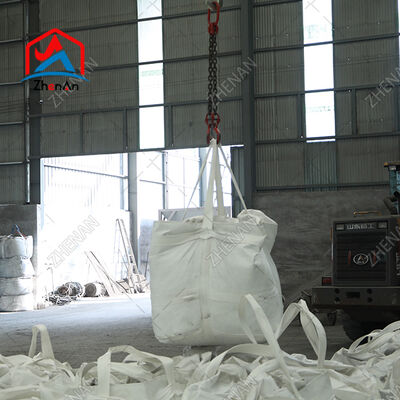
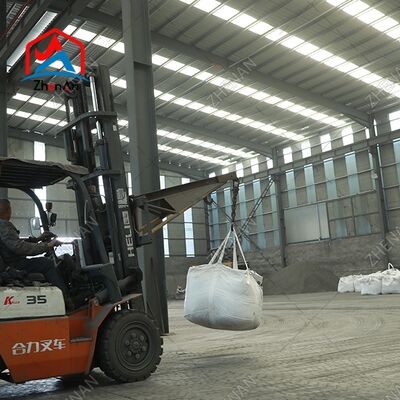
- Cấu hình bao bì tiêu chuẩn:Đảm bảo vận chuyển sử dụng xác minhbao bì tiêu chuẩncác giao thức, như:Vỏ mangan đóng gói trong thùng/giác(thường là 1000kg túi trung gian linh hoạt với lớp lót nhựa bên trong dày) để ngăn chặn độ ẩm môi trường.
- Điều phối cung cấp trực tiếp:Đảm bảo giá trực tiếp từ nhà máy thông qua bộ phận xuất khẩu kỹ thuật tạiZhenAn:
- Đường trực tiếp dịch vụ WhatsApp / WeChat: +86 15518824805
Câu hỏi thường gặp về các sản phẩm EMM
Điều gì làm cho các mảnh kim loại mangan điện phân phù hợp cho cả hai ứng dụng thép và pin?
Mức độ rất thấp của các tạp chất chính như sắt, carbon, silicon và lưu huỳnh làm cho EMM độc đáo linh hoạt.Độ tinh khiết cao này cho phép hợp kim chính xác mà không gây ô nhiễm các loại carbon thấp hoặc duplexTrong sản xuất pin, sự vắng mặt của kim loại nặng trong dấu vết ngăn ngừa các phản ứng điện ngắn và phản ứng phụ, đảm bảo sự an toàn cao và giữ lại khả năng trong các vật liệu tiền thân pin lithium-ion.
Làm thế nào EMM cải thiện tính chất hợp kim trong quá trình sản xuất thép?
EMM cải thiện tính chất thép bằng cách hoạt động như một chất khử lưu huỳnh và ổn định cấu trúc hiệu quả. Nó kết hợp với lưu huỳnh còn lại để tạo thành sulfure mangan vô hại ($MnS$),ngăn ngừa vết nứt ngắn nóng trong quá trình chế biến nóngNgoài ra, nó làm tăng độ sâu độ cứng và độ bền kéo của thép mà không làm tổn thương tính dẻo dai tổng thể, điều này rất cần thiết cho hợp kim sức mạnh cao.
Vai trò của mangan điện phân trong sản xuất hợp kim giàu mangan là gì?
Trong hợp kim mangan nặng, chẳng hạn như thép mangan Hadfield và hợp kim đệm đồng-mangan, EMM phục vụ như một vật liệu cơ sở sạch.cho phép hợp kim làm cứng dưới tác động nặngĐiều này dẫn đến khả năng chống mòn tuyệt vời trong khi giữ cho các chất bổ sung carbon và sắt trong giới hạn nghiêm ngặt.
Làm thế nào kim loại mangan so sánh với quặng mangan và ferromangan?
Quặng mangan là một khoáng chất thô chứa oxy và gangue oxide, đòi hỏi phải giảm hóa học nặng.được sản xuất bằng lò cao hoặc lò cung điệnTuy nhiên, EMM tinh chế 99,7% là kim loại nguyên tố tinh khiết được tạo ra thông qua chiết xuất thủy kim, cung cấp một vật liệu bổ sung hầu như không có sắt và carbon thấp.
Tại sao sự nhất quán hóa học quan trọng đối với EMM được sử dụng trong các ứng dụng tiên tiến?
Các ứng dụng tiên tiến, chẳng hạn như nấu chảy chân không và tổng hợp pin, hoạt động với cửa sổ dung nạp rất chặt chẽ. Ngay cả những biến đổi nhỏ trong carbon hoặc lưu huỳnh cũng có thể gây ra sự cố lô hoặc làm giảm tuổi thọ pin.Các thành phần hóa học nhất quán từ giao hàng đến giao hàng đảm bảo điều kiện phản ứng ổn định, tính chất đồng nhất và hiệu suất sản phẩm đáng tin cậy.
Những kích thước hạt và tùy chọn đóng gói nào có sẵn cho các mảnh mangan điện phân?
EMM thường được cung cấp với độ dày tiêu chuẩn từ 1,0 mm đến 3,0 mm, với kích thước vảy bên dao động từ 10 mm đến 50 mm. Đối với bao bì, nó thường được đóng gói trong 1.000kg hoặc 1,250kg túi lớn vải dệt nặng được trang bị lớp nhựa bên trong kínĐối với các hoạt động nhỏ hơn hoặc nhu cầu chuyên ngành vận chuyển hàng không, thép 250kg cũng có sẵn.
Làm thế nào để thử nghiệm kim loại mangan điện phân cho các ứng dụng công nghiệp?
Kiểm tra công nghiệp sử dụng phân tích hóa học tiên tiến.và chì được định lượng bằng cách sử dụng quang phổ phát xạ quang học plasma kết hợp cảm ứng (ICP-OES) hoặc quang chiếu tia X chính xác cao (XRF)Nồng độ carbon và lưu huỳnh được xác định thông qua hệ thống đốt nhiệt độ cao và phát hiện hồng ngoại để đảm bảo tuân thủ trước khi vận chuyển.
Các chứng chỉ nào thường được yêu cầu cho các lô hàng xuất khẩu EMM?
Các lô hàng quốc tế tiêu chuẩn đòi hỏi phải có Chứng chỉ Phân tích (COA) do nhà sản xuất phát hành liên quan đến các số lô cụ thể.Người mua cũng thường yêu cầu giấy chứng nhận kiểm tra của bên thứ ba độc lập từ các cơ quan được công nhận như SGS hoặc BVBởi vì bột mangan hoặc hạt mịn đôi khi có thể mang lại rủi ro,Một tờ dữ liệu an toàn vật liệu hợp lệ (MSDS) và chứng chỉ an toàn vận chuyển phù hợp với LHQ phải đi kèm với các tài liệu xuất khẩu từZhenAn(+86 15518824805)


 Vietnamese